


You've just stumbled on our treasured, tried-and-true method for how to bake a cheesecake without a water bath! Don't believe what they say... it is totally possible to get a super creamy, flat, crack-free dessert without the dreaded hassle and downsides. Our "cheater's" technique adds just the right moisture, cooks and cools gently, and prevents over baking.
We share this method with confidence because we have used it on countless recipes over many years, and those desserts always earn rave reviews. Try it out on some of our favorite Cheesecake Recipes!

Why are water baths so popular?
Water baths get recommended all the time. Most people say you absolutely cannot have success without one. The reasoning is that it adds moisture and cools the outside of the pan, which leads to slower, more even baking. That in turn leads to a flat top with no cracks, brown spots or edges.
The truth is... it's true. This is a method that does deliver as promised. But it also comes with many well-known flaws and hassles, including soggy crusts and baking stress.
Why we use a water bath alternative
Over the years, we naturally developed a go-to alternative because we were tired of water baths going awry. We wanted a method that we were confident in. We've tested this on so many recipes, in different ovens, and with different bakers. It still adds moisture to the air and it uses gradual cooling to mimic the "slow, even" baking that's so important for good results. But no aluminum foil, slow cooker liners, or deep pans needed!
Helpful kitchen tools
The first one comes in handy for storage and transportation, but it is not a specific need. The other items are a must.


![Katbite 200PCS 12x16 In Heavy Duty Flat Parchment Paper, Parchment Paper Sheets for Baking Cookies, Cooking, Frying, Air Fryer, Grilling Rack, Oven(12x16 Inch)[Advanced Series]](https://m.media-amazon.com/images/I/41BATbh8sxL._SL500_.jpg)
How to bake a cheesecake without a water bath
Choose the crust and batter recipe you want to use (this method works with any recipe that calls for 24 oz of cream cheese). Prepare it as directed, then simply replace the baking instructions with the method below.

Step 1: Prep a 9 inch springform pan by laying a large piece of parchment over the base, clasping the sides to lock it in place, then trimming the excess parchment with scissors. Then spray the bottom and sides of the pan lightly with baking spray.
Press the crust into the pan, then bake at 350°F for 8-10 minutes. Allow it to cool slightly, then pour in the prepared batter.

Step 2: Set the oven temperature to 325°F and position two racks in the oven- one in the middle and one on the lowest level.
Step 3: Microwave 3 cups of water until it's very hot.
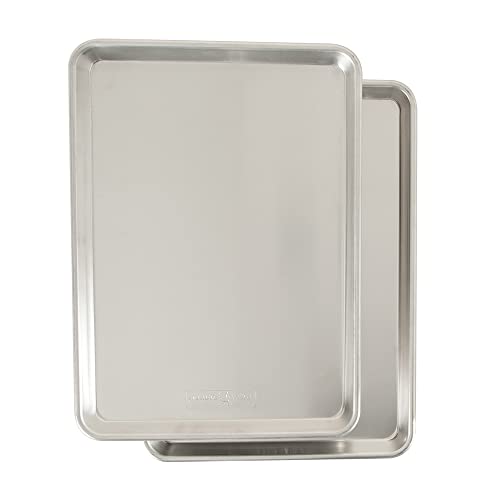
Step 4: Place the raw cheesecake on a cookie sheet, then place that baking sheet on the middle rack. On the bottom rack of the oven, place a roasting pan or 9x13 pan. Pour the hot water into that pan, then immediately close the oven door.

Step 5: Bake for 55 minutes. Then turn the oven off and prop the oven door open slightly (I use a wooden spoon for this) for 1 hour. Don't open the oven all the way or the heat will escape and it won't finish cooking in the middle.
Step 6: After 1 hour, remove the cheesecake from the oven and cool on a wire rack for 3-4 hours at room temperature. Once cool, refrigerate overnight or until fully chilled. Once it's cold, release it from the springform pan and serve.
What recipes can I use this method on?
This method should work beautifully for any recipe that calls for 24oz of cream cheese! Here are some of the ones we make most often.
FAQs
If you follow our instructions and tips, I promise it won't crack! If you do have a crack, the most likely culprit is that it was baked longer than the 55 minutes directed. The second most likely reason is that the batter was over mixed, which adds too much air, which then cracks as it bakes. Both of these hiccups are easily avoided.
Nope! The flavor will be exactly the same, and you should get a silky smooth, creamy texture.
No, because of the smaller size of minis and bars, this method is not needed. You can simply bake for a short period, then remove and cool regularly. For specific instructions, check out our Mini Cheesecake Recipe or our Philadelphia Cheesecake Bars.

Tips & Tricks
- Move quickly: When pouring water into the baking dish, shut the oven door right away. The goal is to trap steam to make a humid environment.
- Watch for browning: If the top starts to brown near the end of baking, you can loosely tent with foil. (After testing in multiple ovens, this has never happened to us, but every oven is different.)
- Trust the timing: Stick to the baking times as written. It will come out creamy, flat, and evenly colored without any stressful second guessing.
- Adjust if needed: If you like a firmer filling, you can add 5-10 minutes to the baking time. Just know that longer cooking increases the odds of browning or cracking.
More recipes
Looking for other recipes? Try these:
Recipe

The Easy Way to Bake a Cheesecake without a Water Bath
Equipment
- Baking spray flour should be on the ingredient label
- baking dish I prefer to use a 9x13 or something similar in size
Ingredients
- 1 cheesecake crust see notes
- 1 cheesecake recipe see notes
Instructions
Preparing the crust and batter
- Preheat the oven to 350 F. Prep a 9 inch springform pan by laying a large piece of parchment over the base, clasping the sides to lock it in place, then trimming the excess parchment with scissors. Spray the pan lightly with baking spray.*See the post for a photo of this step.
- Make your cheesecake crust according to the directions of the recipe you are using. Most crusts will bake at 350 for 8-10 minutes. Then make the batter according to the recipe, being sure not to overmix. Pour the batter into the crust.1 cheesecake recipe , 1 cheesecake crust
Baking without a water bath
- To bake, set the oven temperature to 325°F and position two racks in the oven- one in the middle and one on the lowest level.
- Heat 3 cups of water in the microwave. You want it to get very hot so that it will release steam during the baking process.
- Place the raw cheesecake on a cookie sheet, then place that cookie sheet on the middle oven rack. On the lowest rack, place a roasting pan or 9x13 pan. Pour the hot water into that pan, then immediately close the oven door.
- Bake at 325 for 55 minutes. Then turn the oven off and prop the oven door open slightly (I use a wooden spoon for this). Leave the cheesecake inside for 1 hour. Don't open the oven all the way or the heat will escape and it won't finish cooking in the middle.
- After 1 hour, remove the cheesecake from the oven and cool on a wire rack for 3-4 hours at room temperature. Once cool, refrigerate overnight or until fully chilled (this usually takes several hours at least).
- Once fully chilled, release the cheesecake from the springform pan and serve. (Do not release it before it is cool or you risk cracking it).
Notes
- Move quickly: When pouring water into the baking dish, shut the oven door right away. The goal is to trap steam to make a humid environment.
- Watch for browning: If the top starts to brown near the end of baking, you can loosely tent with foil. (After testing in multiple ovens, this has never happened to us, but every oven is different.)
- Trust the timing: Stick to the baking times as written. It will come out creamy, flat, and evenly colored without any stressful second guessing.
- Adjust if needed: If you like a firmer filling, you can add 5-10 minutes to the baking time. Just know that longer cooking increases the odds of browning or cracking.
Add Your Own Notes
Nutrition
All nutrition information is provided by a third party and is an estimate only. Use your own nutritional calculator for more specific measurements.




Misty says
Such an easy method! Skips all the hassle of a water bath with great results!